Brush & Cedar Removal in Springfield, MO
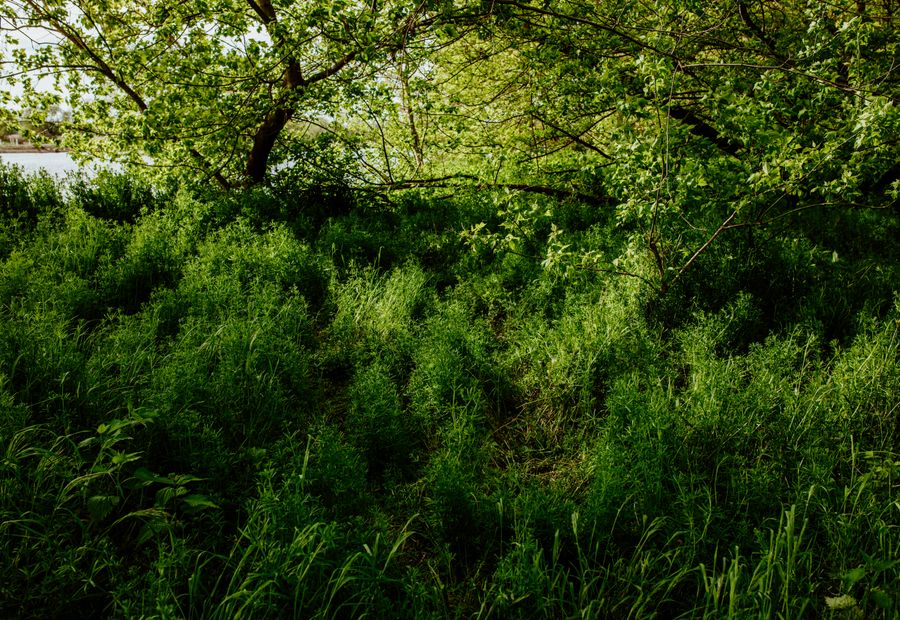
Springfield Mulching removes cedar, brush, briar, and scrub on acreage across Springfield, Ash Grove, Fair Grove, Willard, Rogersville, and the surrounding Greene, Polk, and Lawrence county ground. We clear glade edges, fence lines, timber understory, creek banks, old logging cleanup, and invasive stands. The work runs from a full clearing down to a light thinning that keeps every tree you want to keep.
Eastern red cedar once lived on bluffs and rock outcrops here. Fire kept it off open ground. Fire stopped, and cedar walked onto the glades and the pastures and closed them. Pure cedar shades out the grass and forbs underneath until nothing is left but needle litter on rock. For that stand we run a Denis Cimaf drum, the head this trade trusts on hardwood and dense mixed stems. It carries the material against the housing and returns a fine chip rather than a rack of splinters. The carrier is an ASV Posi-Track with rubber tracks that spread its weight, which matters on shallow soil over chert where a wheeled machine peels the cover off. A blade would push the same cedar over and take the topsoil with it, and this ground has very little topsoil to spare.
Cedar Dies, Brush Argues
Cut cedar at the ground and it is gone for good. Nothing regrows from that stump. The brush around it behaves differently. Blackberry, sumac, locust, and privet hold live roots and push new shoots the following spring. The plan is two visits, not one. First visit takes the stand down to grade. Second visit, a year or two out, catches the sprouts while a machine or a spray can still handle them cheaply.
Fence Lines and Glade Edges
A fence line is where cedar starts. Birds sit on the wire, seed drops under it, and the row thickens until the wire is buried and the posts rot inside a hedge. We cut a clean working strip on both sides so you can see the wire again and a fence crew can reach it. Glade edges get the same treatment from the open rock outward, which is where the invasion front actually sits.
Thinning Instead of Clearing
Not every tract should go to bare grass. On timbered ground we open the floor, leave the mast trees, and feather the density so light reaches the ground again. You get a woods you can hunt, walk, or run cattle through instead of a thicket you cannot enter. Tell the operator which trees stay and he works around them.
When We Cut
Cedar cuts well in any month, and winter cuts best because the operator can see through the stand. Wet ground postpones a job. We would rather move a date than leave ruts in your field. (417) 555-0146 books a look at the stand.
Does eastern red cedar grow back after it is cut?
No. Cedar carries no dormant buds below the cut, so a stem taken at the ground is finished. That single fact makes cedar the best value in this trade. The catch is the seed. Any cedar left standing on the fence line or the next ridge keeps seeding your open ground, and the birds carry it. Clearing the seed source along with the stand is what buys you real years.
What brush comes back after mulching?
Blackberry, sumac, locust, sassafras, persimmon, and privet all sprout from roots that are still alive. The chip layer shades out light seed for a season or so, but no chip layer kills a root system. Plan on a maintenance pass in year one or year two, or a spot herbicide treatment on the sprouts while they are small. We tell you this before the job, not after you see the first flush.
Can you clear underbrush and leave my big trees?
That is the job we do most. The operator takes cedar, briar, and scrub out from under an oak and hickory canopy and leaves the canopy alone. You keep shade, mast, and a clean floor you can walk or drive. A blade cannot work under a canopy without taking the canopy. This is the single biggest reason landowners here pick a mulcher.
How big a stem can you take?
Six to eight inches through is steady production work. Larger stems come out one at a time, slower, and each one costs more. Once material passes about a foot across it is timber, not brush. Timber is a harvest with a log truck behind it, and it can put money in your pocket instead of taking it.